Blog ·
Maintaining Protected Paint: Best Practices for Longevity
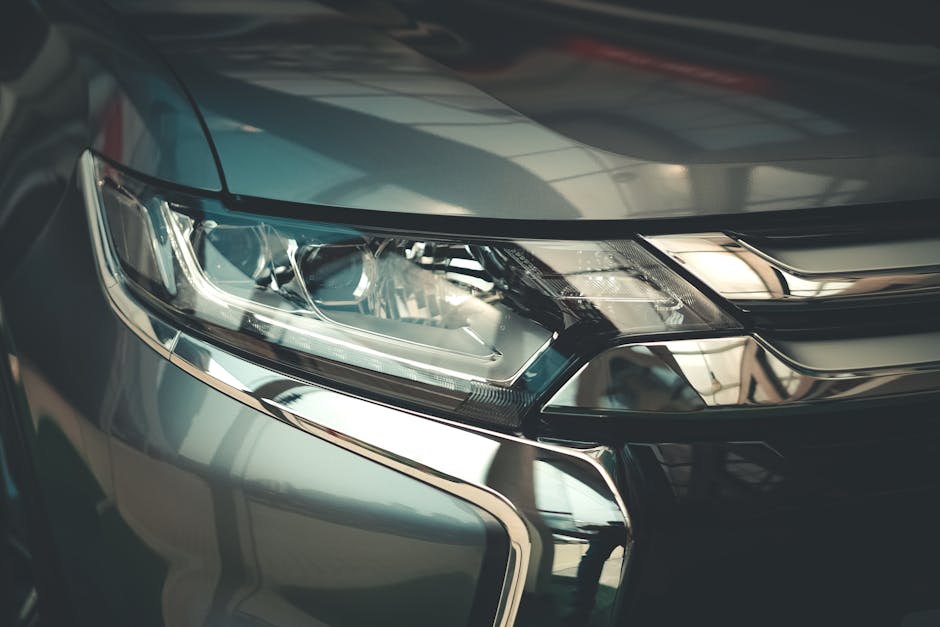
Installing professional paint protection is an important decision, but proper maintenance afterward determines whether that investment delivers maximum value. Understanding how to care for protected surfaces ensures your protective coating performs as intended throughout its lifespan.
The primary maintenance principle is preventing unnecessary contact with the protective surface. Each wash, each microfiber cloth pass, and each water droplet that dries on the coating contributes to its eventual wear. This doesn't mean avoiding driving or accepting dirt—it means washing strategically and efficiently.
Frequency of washing matters less than technique. Many vehicle owners wash too frequently using improper methods. A typical weekly wash with aggressive scrubbing causes more damage than a bi-weekly wash using gentle techniques. The protective coating is resilient but not invulnerable. Proper washing preserves the coating while keeping your vehicle clean.
Water quality affects protective coatings significantly. Hard water, which contains dissolved minerals, leaves deposits on protective surfaces when water evaporates. These mineral deposits can etch coatings and create water-spot staining. Using deionized water for final rinses prevents this mineral buildup. If tap water is your only option, drying the vehicle immediately after washing prevents mineral deposits from forming.
Chemical compatibility is critical. Some common cleaning products damage protective coatings. Acidic wheel cleaners, harsh degreasers, and certain wax removers can compromise the coating's integrity. When selecting cleaning products, verify they're compatible with your specific protective treatment. Many manufacturers provide approved product lists.
Environmental protection continues after installation. While the protective coating shields paint from natural threats, strategic parking preserves the coating itself. Covered parking protects both paint and coating from UV radiation, bird droppings, tree sap, and hail. When covered parking isn't available, parking in shaded areas when possible reduces UV exposure.
Seasonal considerations apply regardless of climate. Winter requires attention to road salt accumulation. Rinse the vehicle thoroughly after exposure to salted roads, paying particular attention to undercarriages and wheel wells where salt concentrates. Summer heat accelerates coating aging in direct sunlight. Fall brings tree debris—leaves, sap, and nuts—that should be removed promptly.
Paint contamination removal prevents buildup under the protective coating. Iron particles from brake dust and road debris accumulate on surfaces. These contaminants should be removed periodically using appropriate decontamination clay or similar tools. Allowing contamination to accumulate under the coating traps moisture and accelerates coating degradation.
Periodic inspection identifies early signs of coating wear. Small areas showing reduced water beading behavior indicate the coating is thinning. Early detection allows targeted reapplication rather than complete replacement.
Professional maintenance appointments, scheduled according to manufacturer recommendations, refresh the protective coating and maintain optimal performance. Technicians can identify wear patterns, address specific environmental damage, and reapply coating sections showing degradation.
Proper maintenance transforms professional paint protection from a one-time treatment into continuous defense against environmental threats. Your vehicle's beautiful finish remains protected only when the protective coating itself receives appropriate care.